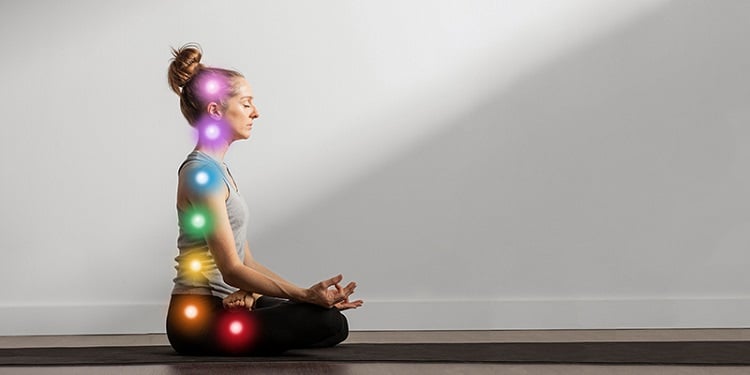
Many people struggle to find true wellness. Stress, poor diet, lack of sleep, and technology overload have made it harder than ever to stay balanced. The new approach to wellness focuses on harmony between the mind, body, and balance a method that emphasizes mental clarity, physical strength, and emotional peace.
People are now moving beyond quick fixes and adopting lifestyle changes that encourage long-term health and happiness.
The Connection Between Mind and Body
Our mind and body are deeply connected. When one is unwell, the other often suffers too. A stressful day at work can cause headaches, fatigue, or even digestive problems. Similarly, an unhealthy body can lead to negative thoughts or mood swings.
The connection means that real wellness requires nurturing both mental and physical health together. Simple mindfulness practices, such as meditation or deep breathing to help calm the mind, reducing anxiety and improving focus.
Regular exercise, on the other hand, keeps the body strong and supports brain function by increasing blood flow. When these two elements are balanced, people often experience better energy, confidence, and emotional control.
The Role of Nutrition in Balance
Nutrition plays a major role in maintaining overall wellness. A diet rich in fruits, vegetables, and whole grains fuels the body with essential vitamins and minerals. Meanwhile, avoiding excess sugar, caffeine, and processed foods helps stabilize mood and energy levels. What we eat directly affects how we think and feel.
For many, improving diet isn’t about strict rules, it’s about making smarter choices every day. Drinking more water, eating on time, and listening to your body’s hunger signals can transform your well-being. When your nutrition is balanced, you think more clearly, sleep better, and feel happier.
The Importance of Emotional Balance
Emotional balance means learning to manage feelings in healthy ways. It’s normal to face challenges and negative emotions, but staying stuck in stress or anger can harm the body over time. Emotional wellness includes self-awareness, self-compassion, and the ability to adapt to change.
Practices like journaling or talking with a trusted friend can ease emotional tension. Even small acts, such as spending time outdoors or taking short breaks during the day, can help restore emotional balance. When your emotions are stable, your body relaxes, and your mind becomes clearer.
Rest and Recovery: The Forgotten Elements
One of the most underrated parts of wellness is rest. People often underestimate how crucial sleep and downtime are for recovery. Lack of sleep can weaken the immune system, lower concentration, and cause mood swings.
Rest is not just about sleeping; it also involves taking mental breaks from screens, work, and social pressure. A simple digital detox or a quiet walk can recharge your mind and body. When you make time to rest, you allow your body to heal and your mind to refocus—key elements for long-term health.
Modern Approaches to Wellness
Modern wellness is more than fitness trends or strict diets. It combines science and mindfulness to create personalized health routines. People now understand that physical fitness alone isn’t enough; mental and emotional stability matter just as much.
Technology also plays a part in this change. Apps that track sleep, meditation, or steps make it easier to stay consistent with healthy habits. However, balance is vital—spending too much time online can cause stress and disrupt mindfulness. The key is to use technology as a tool, not a distraction, in your wellness journey.
Building Sustainable Habits
Sustainable wellness habits grow slowly and naturally. Instead of chasing perfection, focus on small daily improvements. Drinking enough water, maintaining a consistent sleep schedule, and practicing gratitude are simple yet powerful habits.
Moreover, it’s important to find joy in your routine. Wellness isn’t punishment—it’s self-care. Activities like yoga, reading, or creative hobbies can strengthen both mind and body while improving emotional stability. When wellness feels enjoyable, it becomes a lifestyle rather than a task.
The Role of Community and Support
Wellness thrives in community. Being surrounded by positive, like-minded individuals motivates people to maintain healthier habits. Sharing experiences or joining group workouts can make wellness fun and social.
Additionally, wellness platforms such as urbansplatter.uk highlight how communities and expert insights can inspire others to embrace a balanced lifestyle. Connecting with others who share similar goals creates accountability and long-term commitment to self-care. Such resources offer practical ideas to help readers live healthier lives and achieve inner balance.
Conclusion
True wellness is not a single goal rather it’s a lifelong journey of growth and awareness. The mind, body, and balance approach reminds us that health involves more than physical fitness. It’s about nurturing emotional peace, mental strength, and meaningful connections.
When we align our thoughts, actions, and emotions, we experience harmony in every part of life. The new approach to wellness is not about doing more, it’s about living mindfully, loving your body, and staying balanced from the inside out.