Inside Debbie Wasserman Schultz’s Latest Healthcare Bill to Expand Genetic Cancer Testing Access

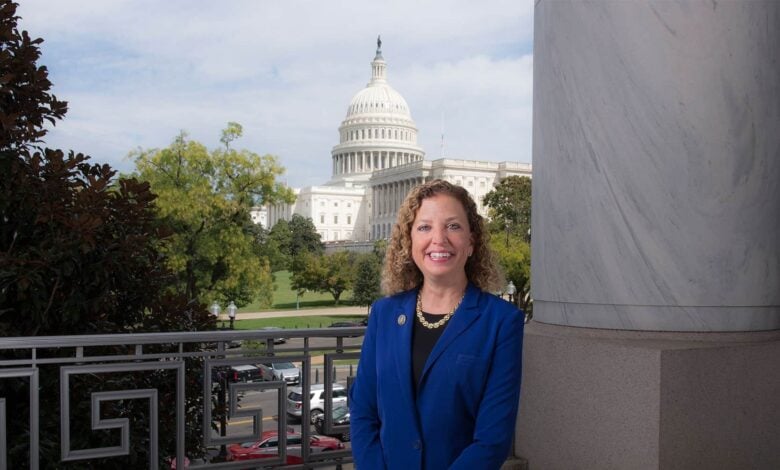
Debbie Wasserman Schultz is once again at the forefront of healthcare reform in Congress, this time focusing on expanding access to genetic cancer testing for Americans who may be at higher risk of developing certain forms of cancer. Her newly introduced bipartisan legislation, the Reducing Hereditary Cancer Act, aims to remove barriers that currently prevent patients from getting potentially life-saving information about their genetic health.
Addressing Gaps in Cancer Prevention
The legislation comes in response to mounting evidence that early detection of hereditary cancer risks can significantly improve treatment outcomes and survival rates. Genetic cancer testing can identify mutations that increase the likelihood of developing cancers such as breast, ovarian, colorectal, and prostate cancer. However, many insurance plans either restrict coverage for this testing or impose cost barriers that discourage patients from pursuing it.
Debbie Wasserman Schultz has made it clear that these gaps in coverage are unacceptable. She believes that every individual, regardless of income or background, should have access to the medical tools needed to make informed decisions about their health. By requiring broader insurance coverage for genetic testing and related preventive services, the bill seeks to ensure more people can benefit from early interventions.
A Personal Connection to the Cause
For Debbie Wasserman Schultz, the fight for better cancer prevention measures is deeply personal. As a breast cancer survivor, she knows firsthand the importance of early detection and proactive healthcare. She has often spoken about her own experience, which included navigating treatment while continuing her congressional duties, and how it shaped her commitment to healthcare advocacy.

Her leadership in creating and reauthorizing the EARLY Act, which funds breast cancer education and awareness for young women, has already had a measurable impact. Now, with the Reducing Hereditary Cancer Act, she is building on that legacy by pushing for systemic changes that will benefit patients for generations to come.
Building Bipartisan Support
One of the notable strengths of the bill is its bipartisan support. Debbie Wasserman Schultz has worked closely with lawmakers from both political parties to ensure the legislation addresses concerns from across the aisle. By framing the issue as one of public health and cost-effective prevention, rather than partisan politics, she has been able to rally support in a divided Congress.
The bill proposes expanding Medicare and Medicaid coverage for genetic testing when medically indicated, as well as requiring private insurers to adopt similar coverage standards. This approach would create a consistent national policy, ensuring that patients in all states have equitable access to testing.
Partnering with Advocacy and Medical Groups
Healthcare professionals, patient advocacy organizations, and cancer research institutions have welcomed the bill. Groups such as the American Cancer Society and FORCE (Facing Our Risk of Cancer Empowered) have praised Debbie Wasserman Schultz for her leadership, noting that genetic testing not only saves lives but can also reduce long-term healthcare costs by identifying risks before cancer develops.
Medical experts agree that identifying at-risk individuals early can lead to preventive treatments or lifestyle changes that dramatically lower the chance of a cancer diagnosis. This, in turn, could ease the burden on the healthcare system and improve quality of life for thousands of Americans each year.
Moving Forward in the Legislative Process
As the bill moves through Congress, Debbie Wasserman Schultz is focused on maintaining momentum and building a coalition of stakeholders to advocate for its passage. She has emphasized that expanding access to genetic cancer testing is a critical investment in public health and a moral obligation to future generations.
The congresswoman has also encouraged constituents and advocacy groups to reach out to their representatives in support of the legislation. She believes that public awareness and grassroots advocacy will be essential in securing the bill’s success.
A Vision for Preventive Healthcare
For Debbie Wasserman Schultz, the Reducing Hereditary Cancer Act is about more than one piece of legislation. It reflects her broader vision for a healthcare system that prioritizes prevention, early detection, and equitable access. By championing this cause, she continues to solidify her reputation as a leader who turns personal experience into impactful public policy.
If enacted, the bill could mark a turning point in how the United States approaches cancer prevention. With expanded access to genetic testing, millions more Americans could have the chance to take proactive steps to protect their health and potentially avoid the devastating impact of a late-stage cancer diagnosis.